Every November 14, World Diabetes Day reminds us of the urgent need to address this disease, which affects millions of Mexicans. Among the foundations in Mexico that have taken on this challenge with determination, Fundación Letty Coppel stands out for implementing comprehensive social programs that address diabetes from prevention to control, representing an exemplary model of social assistance in Mexico in combating this chronic condition.
Diabetes is one of the most significant public health challenges in our country, with a prevalence that continues to rise. In response, the organization has developed a multifaceted strategy that includes preventive education and support for people living with the disease. Its social programs focus particularly on communities with limited access to health services, where information and resources to prevent and manage diabetes are often scarce.
Prevention represents the first pillar of Fundación Letty Coppel’s fight against diabetes. Through educational campaigns in schools, community centers, and public spaces, the organization disseminates crucial information about risk factors, healthy eating, and the importance of physical activity. These social assistance initiatives in Mexico aim to empower people with knowledge, enabling them to make informed health decisions and reduce the incidence of type 2 diabetes, which can be prevented through healthy habits.
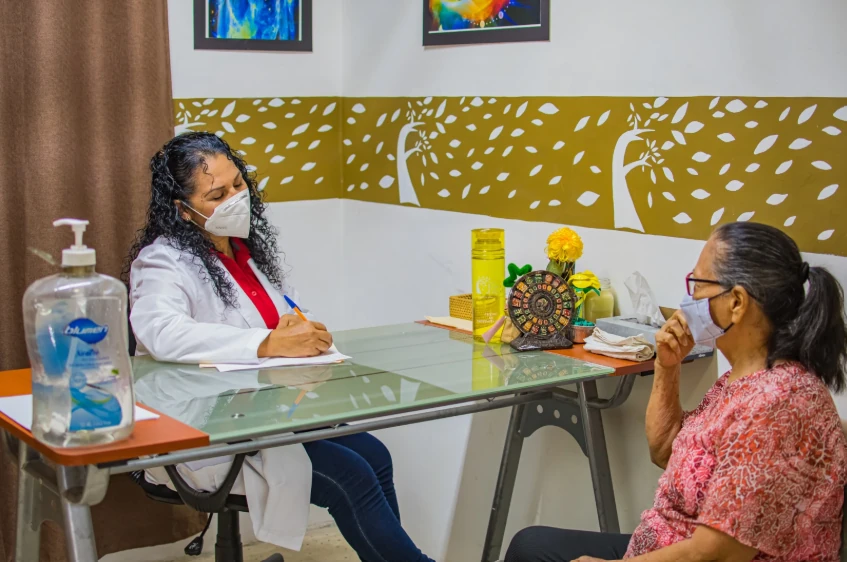
Early diagnosis is another essential component of the foundation’s social programs. Regular screening campaigns across communities help identify diabetes cases early, when disease management is most effective. These initiatives include glucose testing, risk factor assessment, and timely referral to medical services when abnormalities are detected.
For individuals already living with diabetes, Fundación Letty Coppel has established follow-up and control programs that significantly improve quality of life. Among foundations in Mexico that work with patients with chronic conditions, this organization stands out for its holistic approach that considers not only medical aspects but also the emotional, social, and economic dimensions of the disease.

Nutrition plays a key role in all of the foundation’s interventions. Recognizing that diet is essential in both prevention and control of diabetes, social programs include educational components on planning healthy menus, reading nutrition labels, and preparing meals that respect dietary restrictions without sacrificing flavor.
Through strategic alliances with health institutions, food companies, and community organizations, Fundación Letty Coppel ensures the sustainability of these social programs. Its collaborative model demonstrates how social assistance in Mexico can optimize resources through synergy among different social actors.
On World Diabetes Day, the foundation’s work reminds us that addressing this disease requires more than isolated efforts—it calls for comprehensive, sustainable strategies based on real community needs. Fundación Letty Coppel’s social programs show that it is possible to build effective community responses that prevent new cases, improve the quality of life of those affected, and reduce the burden this disease places on families and the health system.