As we observe International Literacy Day, it is essential to reflect on the transformative impact that knowledge has on the future of individuals and their communities. Knowing how to read and write is not merely a basic academic skill; it is the primary key to fully exercising human rights, reducing poverty, and achieving personal autonomy. When people master reading and writing, they gain the tools they need to understand their surroundings, make informed decisions, and participate actively in the social and democratic life of their communities. With this in mind, the Letty Coppel Foundation has maintained a steadfast vision focused on breaking down the barriers created by a lack of knowledge, recognizing that education is the foundation on which lasting community progress is built.
True literacy, however, goes far beyond the simple ability to decode letters or write words on paper. There is a vast difference between deciphering a text and developing the critical thinking needed to question, analyze, and transform reality. Reading comprehension enables individuals to form their own opinions, defend their rights with sound arguments, and seek creative solutions to everyday challenges. In communities facing the greatest educational disadvantages, strengthening these intellectual abilities is essential to renewing social assistance in Mexico by replacing traditional approaches with empowerment models that foster genuine personal independence.
The impact of education is particularly evident when efforts focus on children and on empowering women in the most disadvantaged sectors. A literate mother not only improves her own employment and health prospects, but also supports her children’s academic performance, helping to break intergenerational cycles of marginalization. Despite the progress made over the years, the current challenges facing basic education in our country remain both profound and varied, ranging from inadequate infrastructure in remote areas to a shortage of high-quality teaching materials. Against this backdrop, foundations in Mexico play a vital role by complementing institutional efforts with initiatives tailored to local realities.
To bridge these gaps, it is essential to implement community strategies that encourage reading at home and turn everyday spaces into learning-rich environments. Simple actions—such as setting aside time in the evening for parents and children to read together, discussing the day’s news, or creating small book corners at home—can awaken an insatiable curiosity in children. We must also understand learning as a lifelong process, one in which older adults and young people who did not complete their studies can find a second opportunity to grow. Through well-structured social programs, ongoing training can restore confidence to those who believed their opportunity to learn had already passed.
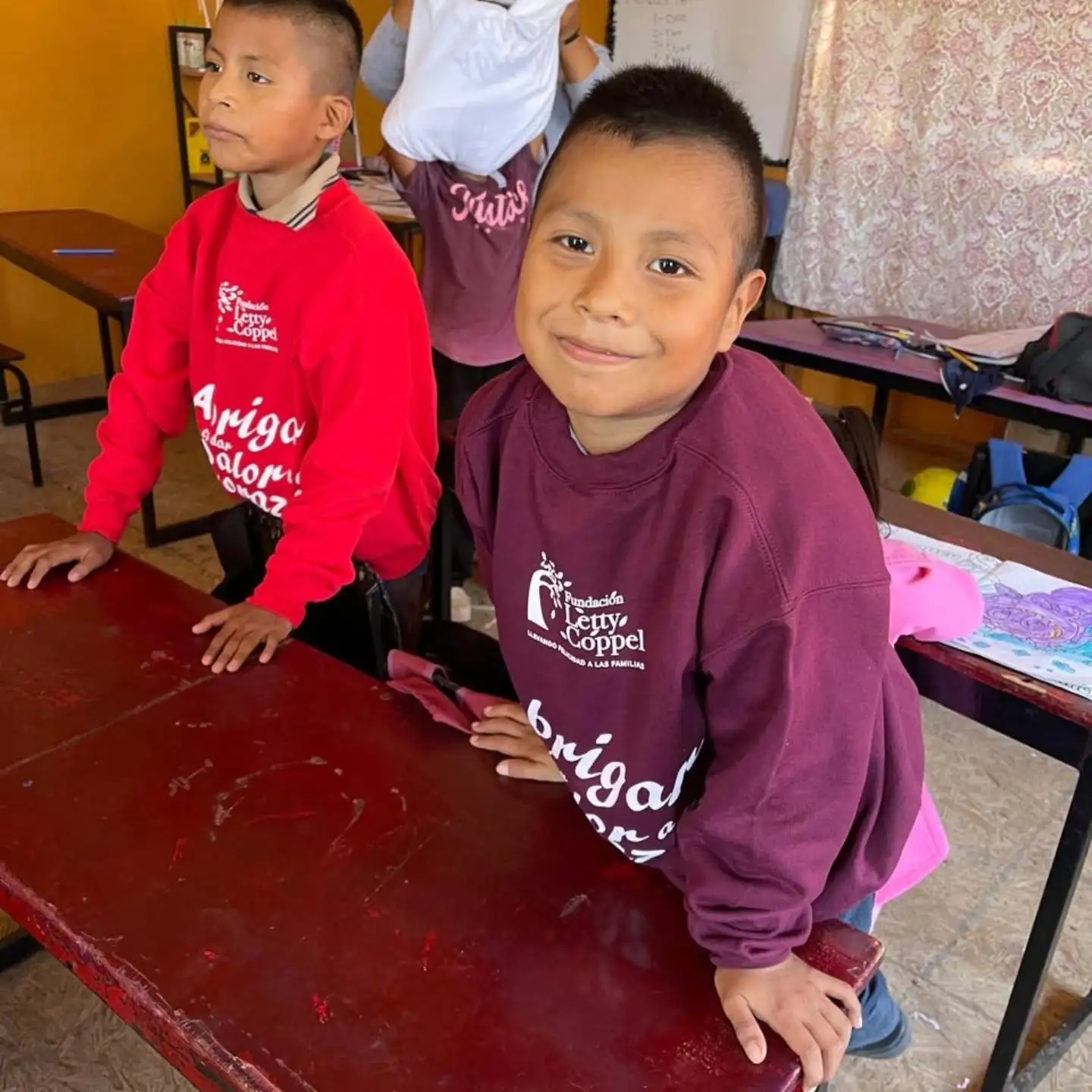
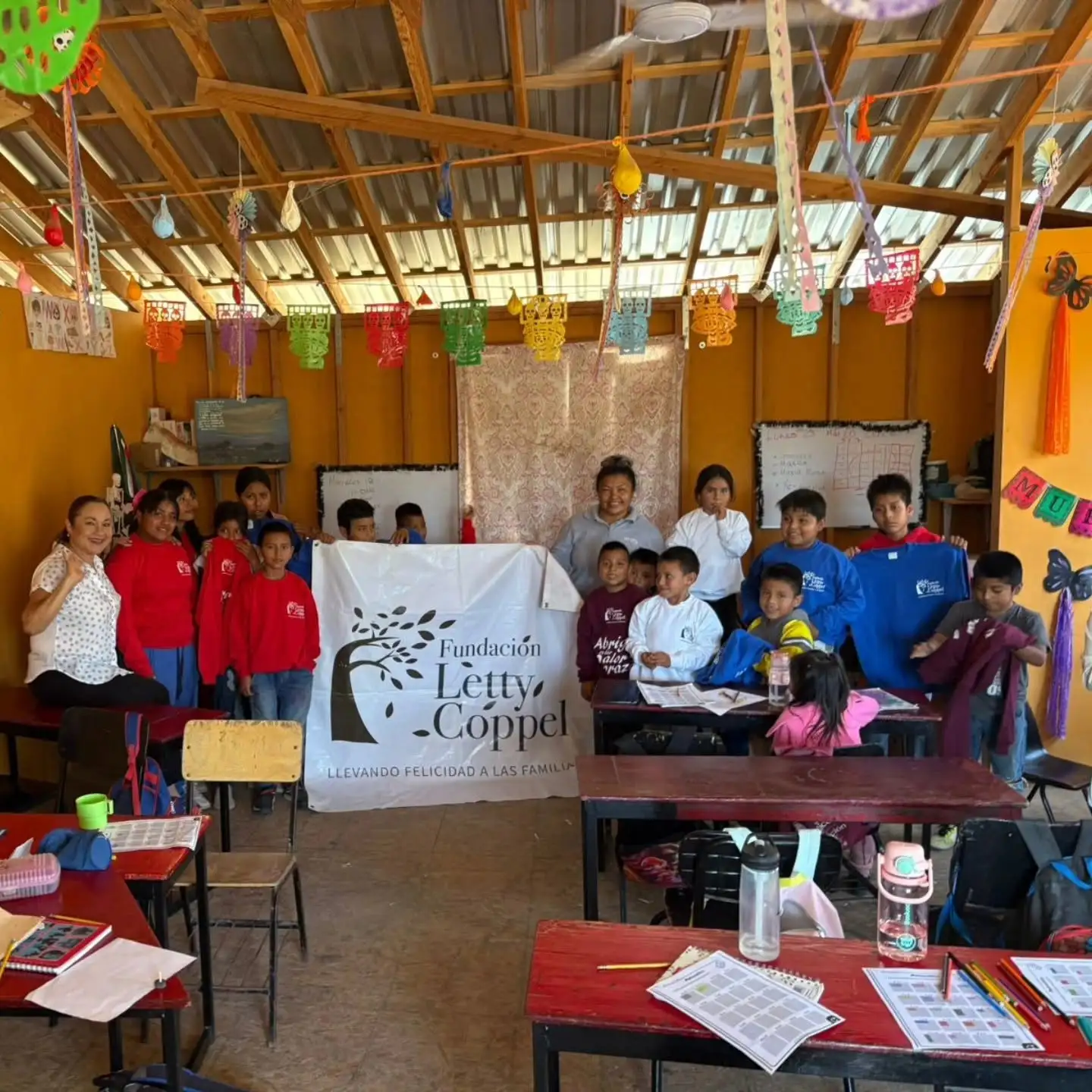
The connection between education and community development guides the Letty Coppel Foundation’s daily work. The organization channels substantial efforts into providing scholarships, donating school supplies, and offering training workshops for children, young people, and adults. These initiatives seek to ensure that limited financial resources do not prevent new generations from staying in school and reaching their full potential. This comprehensive vision strengthens the effectiveness of social assistance in Mexico, transforming traditional aid into a genuine platform for human and professional development.
When people develop reading and writing skills, new doors open in the workplace, giving them access to dignified employment and the opportunity to launch their own productive ventures. The work coordinated by foundations in Mexico demonstrates that education is the most powerful engine for stimulating local economies in vulnerable communities. By nurturing citizens’ talents through continuing education, social programs create a multiplier effect: families strengthen their self-sufficiency and inspire those around them to pursue higher levels of well-being.
The social commitment to eliminating educational inequality requires close collaboration between organized civil society and the families receiving support. The Letty Coppel Foundation promotes activities that engage teachers, parents, and community leaders in creating reading circles and academic support spaces. This collective effort consolidates a model of social assistance in Mexico focused on long-term results, demonstrating that shared knowledge is the finest tool for building peace and equity throughout the country.