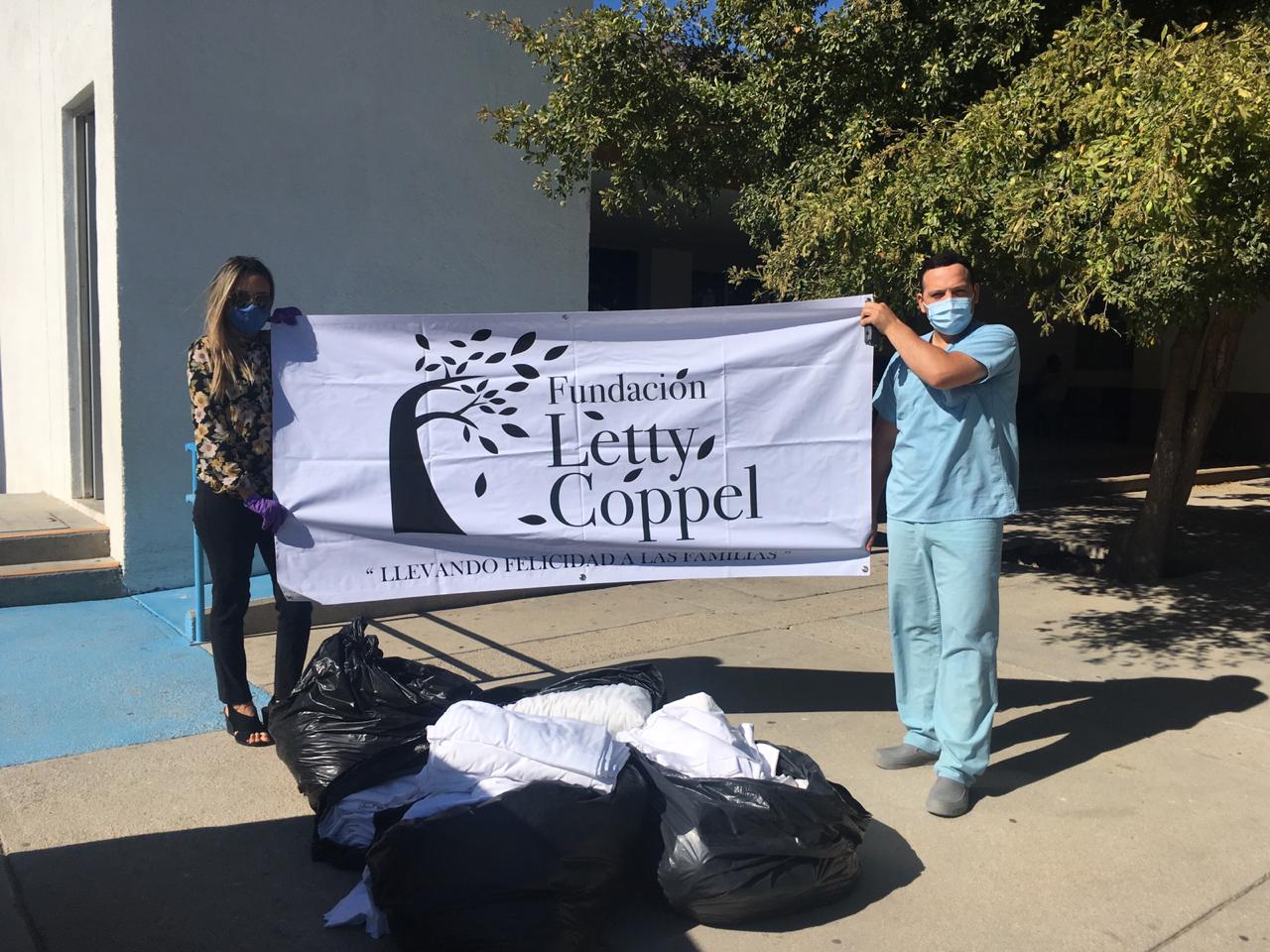
Solidarity is the enduring foundation on which truly prosperous and equitable communities are built. As we observe the International Day of Charity, it is essential to reflect on how social assistance in Mexico, delivered through a range of social programs, has evolved into a strategic engine for collective transformation. Philanthropy should not be understood as an isolated charitable act or a temporary response to a crisis, but as a structured expression of solidarity that seeks the common good and works tirelessly to narrow inequality gaps. In this context, the Letty Coppel Foundation stands out for its steadfast dedication to service, demonstrating that when empathy is organized with method and professionalism, assistance creates profound and lasting change for thousands of households in need of support during times of vulnerability.
The true meaning of philanthropy lies in its ability to create sustainable, long-term impact. Unlike immediate handouts that merely relieve a temporary need, structured philanthropy builds people’s capabilities and lays the groundwork for comprehensive human development. This approach to social intervention allows social assistance in Mexico to move away from dependency-based aid and toward genuine empowerment. When a person receives support in health, nutrition, or education, their immediate need is not only addressed; they are also given the means to rewrite their own future. Consistent, well-directed altruism fosters valuable collective empathy, inspiring other community members to become actively involved and weaving a human network characterized by mutual care and shared responsibility.
Transparency and sound technical organization within institutions are essential if assistance is to fulfill its purpose. For society to trust these organizations and participate decisively, they must operate according to rigorous ethical standards, clear accountability, and efficient management processes. Foundations in Mexico play a crucial role as trusted bridges between those who wish to contribute and the communities that genuinely need that solidarity. The effectiveness of philanthropy depends not only on goodwill, but also on the rigor with which projects are planned, implemented, and evaluated, ensuring that every peso and every resource donated reaches the place where it can have the greatest social impact.
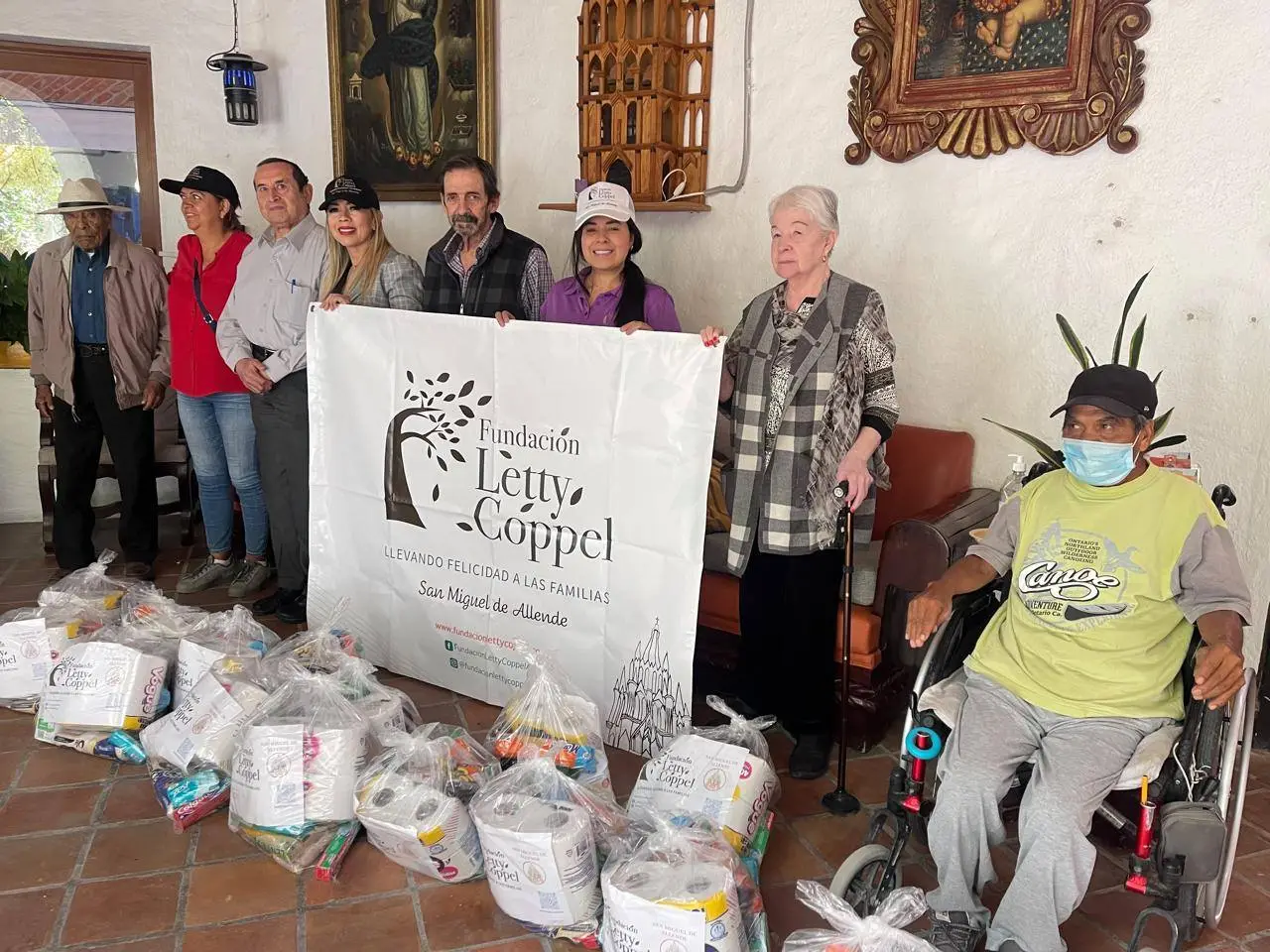
There are many practical ways for civil society to support these worthy causes. Supporting philanthropy is not a privilege reserved for major donors; civic participation ranges from recurring financial contributions to volunteering time and talent. Joining outreach teams, sharing professional expertise with vulnerable communities, or raising awareness of an organization’s work are actions within everyone’s reach. Through these individual contributions, citizens strengthen the work carried out by social programs in the most disadvantaged regions, demonstrating that the sum of small daily commitments is what truly consolidates lasting cultural change in support of the most vulnerable.
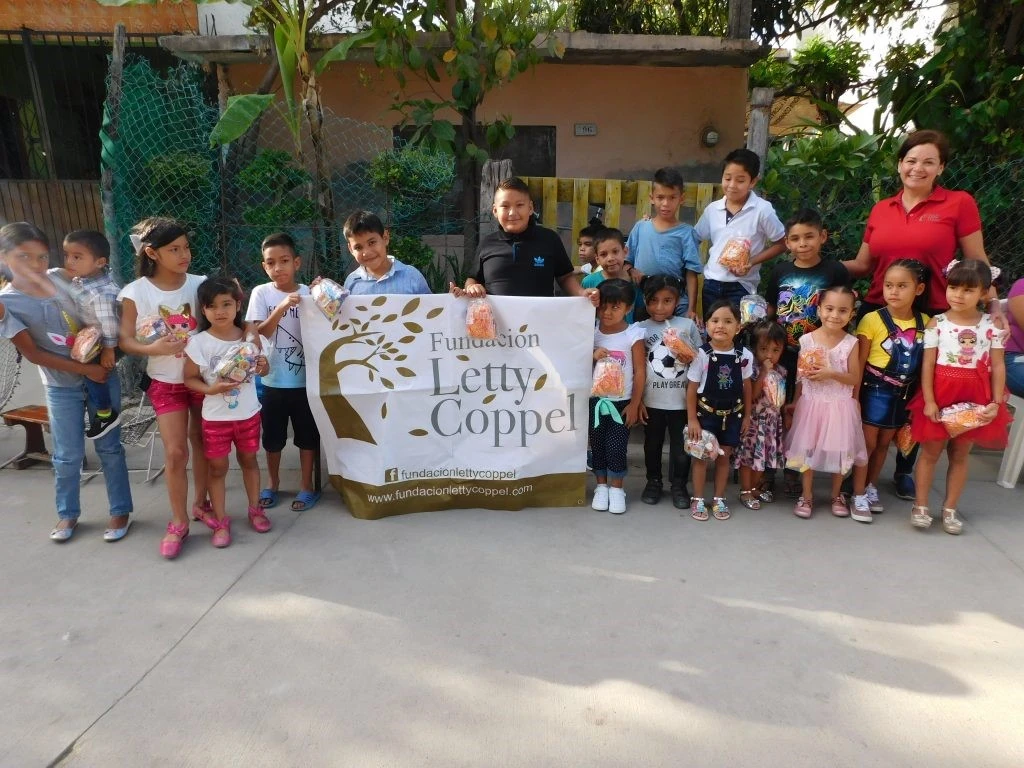
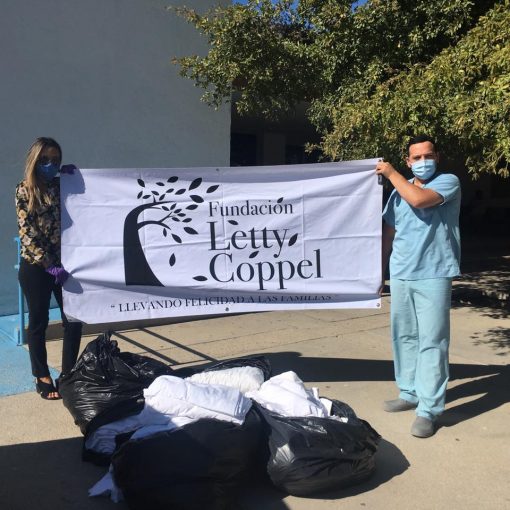
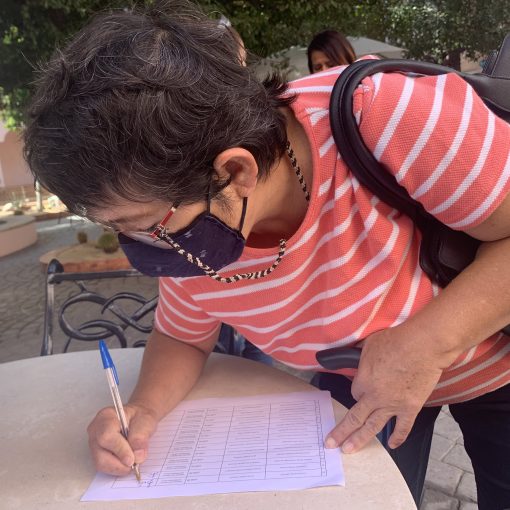
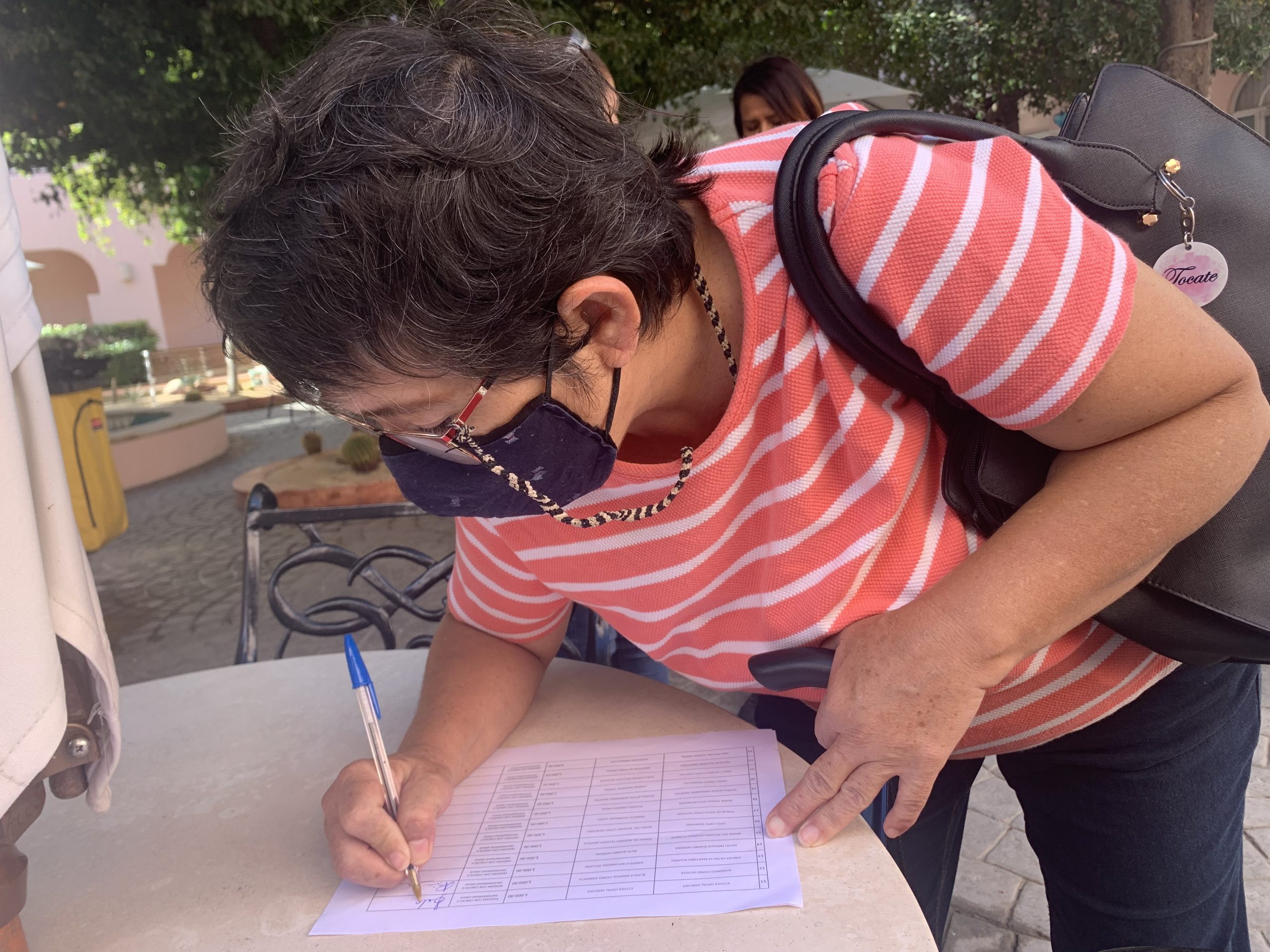
Philanthropy is the driving force that enables the Letty Coppel Foundation to channel vital resources to where they are needed most. The organization understands that solidarity requires an unwavering commitment to sustaining comprehensive initiatives in health, food security, and family support. By regularly distributing food packages, providing free medical consultations, and implementing community development projects, it ensures direct and sustainable impact in the most marginalized urban and rural areas. Strategic philanthropy is the mechanism that brings every initiative to life, transforming lives through impeccable management that prioritizes human dignity and respect for the people receiving assistance.