Hope influences the way we face challenges, make decisions, and build our future. In the context of the International Day of Hope, it is important to reflect on how this feeling can become a tool for personal, family, and community transformation. More than a simple positive attitude, hope represents the ability to keep moving forward even when circumstances seem difficult, finding reasons to act and build new opportunities.
Hope and optimism are often thought to be the same concept, but there are important differences between them. Optimism is usually related to the expectation that things will turn out well, while hope implies a more active attitude. A hopeful person recognizes the difficulties they face, but also trusts that they can find ways to overcome them. This difference is fundamental because it helps us understand that hope does not depend on ignoring problems, but on developing the strength needed to face them with determination.
Hope is closely linked to resilience, understood as the ability to adapt and recover after going through complex situations. When a person maintains confidence that moving forward is possible, their willingness to seek solutions, learn from experiences, and continue building goals increases. This ability is especially valuable in contexts of uncertainty, where emotional support and development opportunities can make a significant difference. For this reason, foundations in Mexico such as the Letty Coppel Foundation promote initiatives aimed at community well-being, recognizing the importance of strengthening both the emotional resources and the personal capacities of community members through social assistance in Mexico.
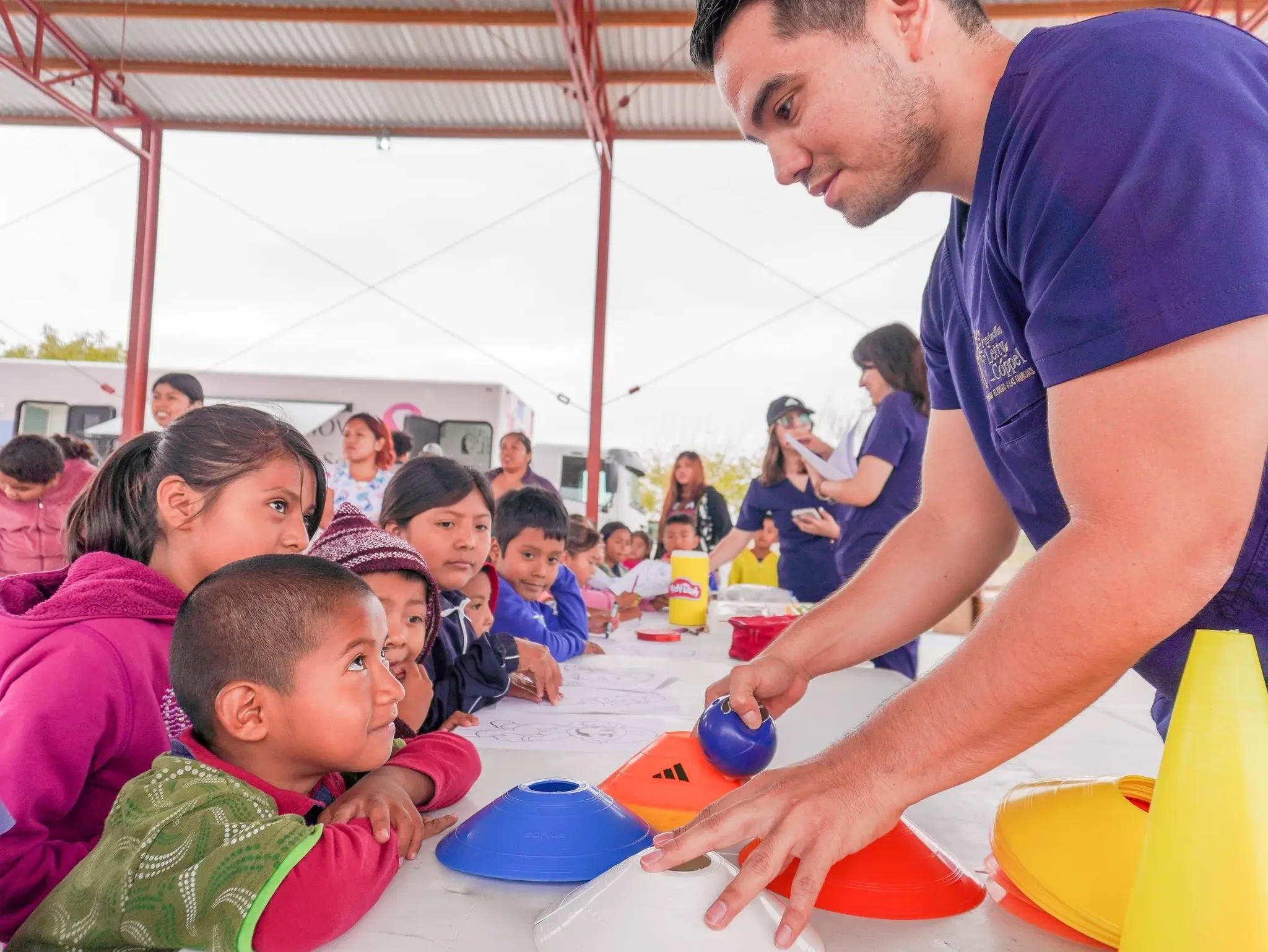
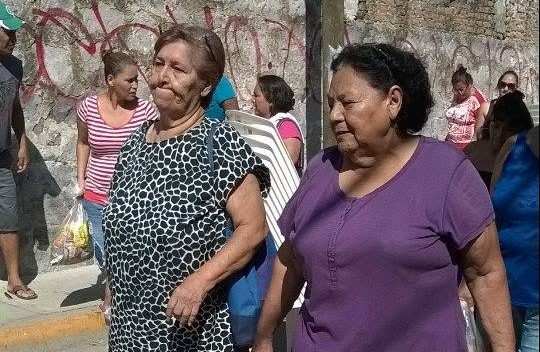
One of the elements that contributes most to keeping hope alive is the existence of support networks. Feeling accompanied allows people to face challenges with greater confidence and reduces the sense of isolation that many experience during difficult moments. Family, friends, neighbors, and community organizations can become important sources of emotional support and guidance. In this sense, social programs play a fundamental role by creating spaces where people can establish positive bonds, share experiences, and access tools that support their personal growth.
A sense of belonging is another factor that strengthens hope. Knowing that there are people willing to listen, guide, and accompany others provides emotional security and encourages a more positive attitude when facing challenges.
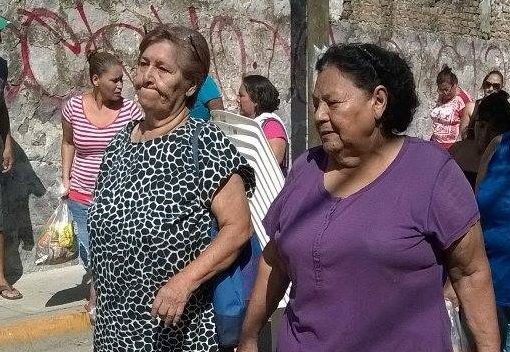
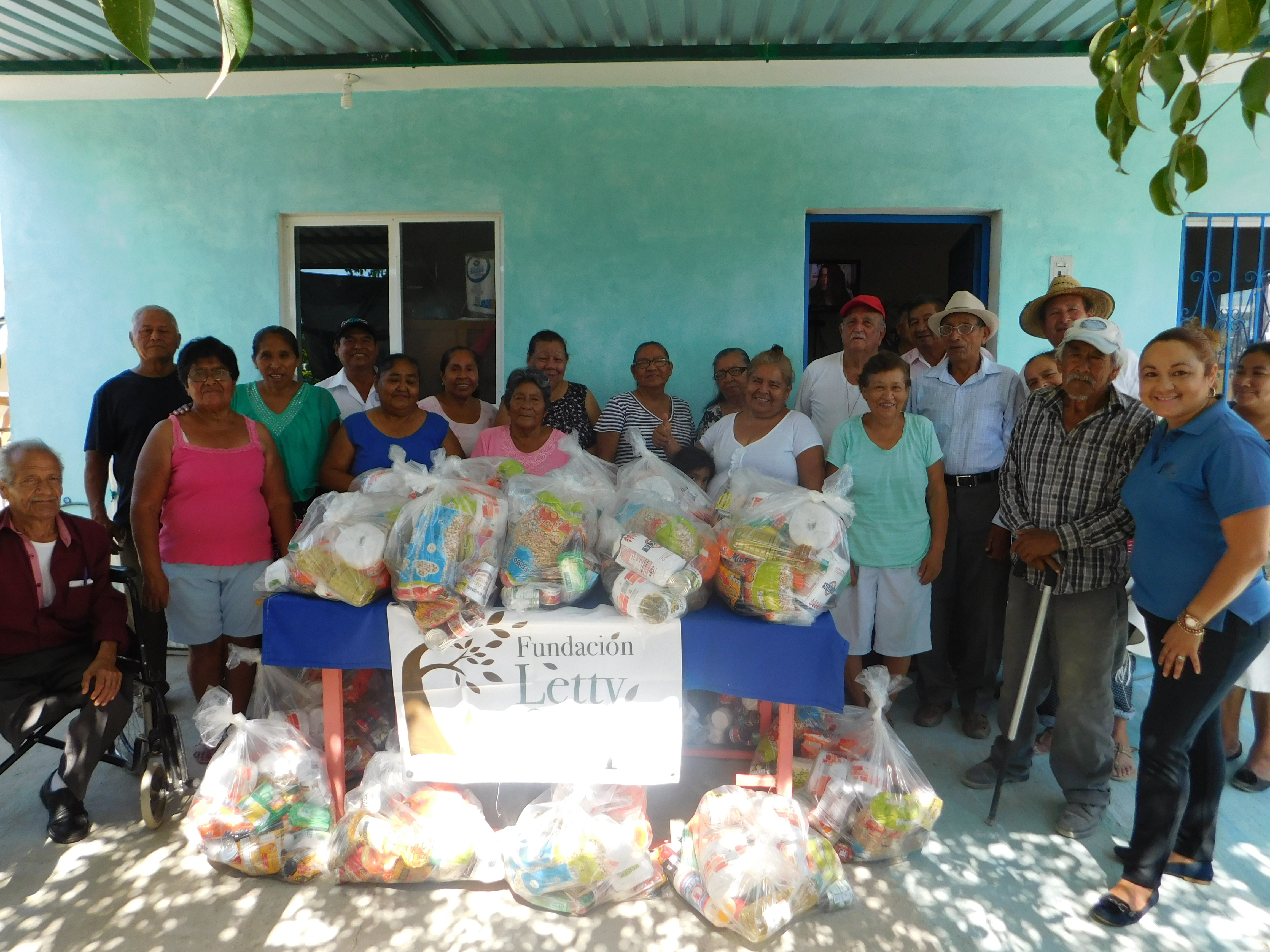
When a community promotes solidarity and collaboration, people develop a greater ability to face difficulties and build collective solutions. This vision is especially relevant within social assistance in Mexico, where many initiatives seek to strengthen the social fabric through community participation and mutual support.
Cultivating hope also requires concrete actions. One of the most effective strategies is to establish achievable goals that make it possible to recognize gradual progress. Celebrating small achievements strengthens personal confidence and helps maintain motivation. Likewise, developing healthy habits, caring for emotional well-being, and practicing gratitude are tools that encourage a more balanced perspective when facing everyday challenges. Although simple, these actions can create meaningful changes in the way people face difficulties.
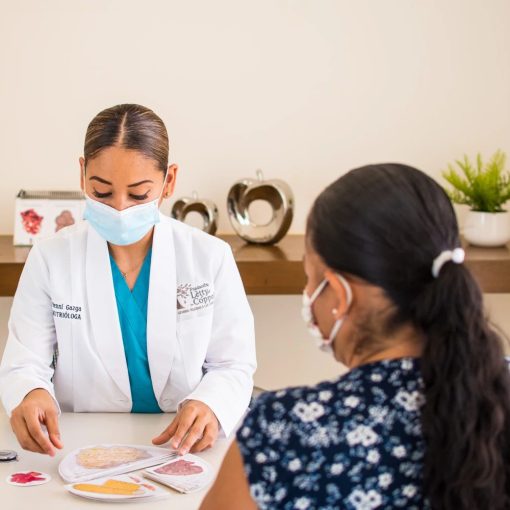
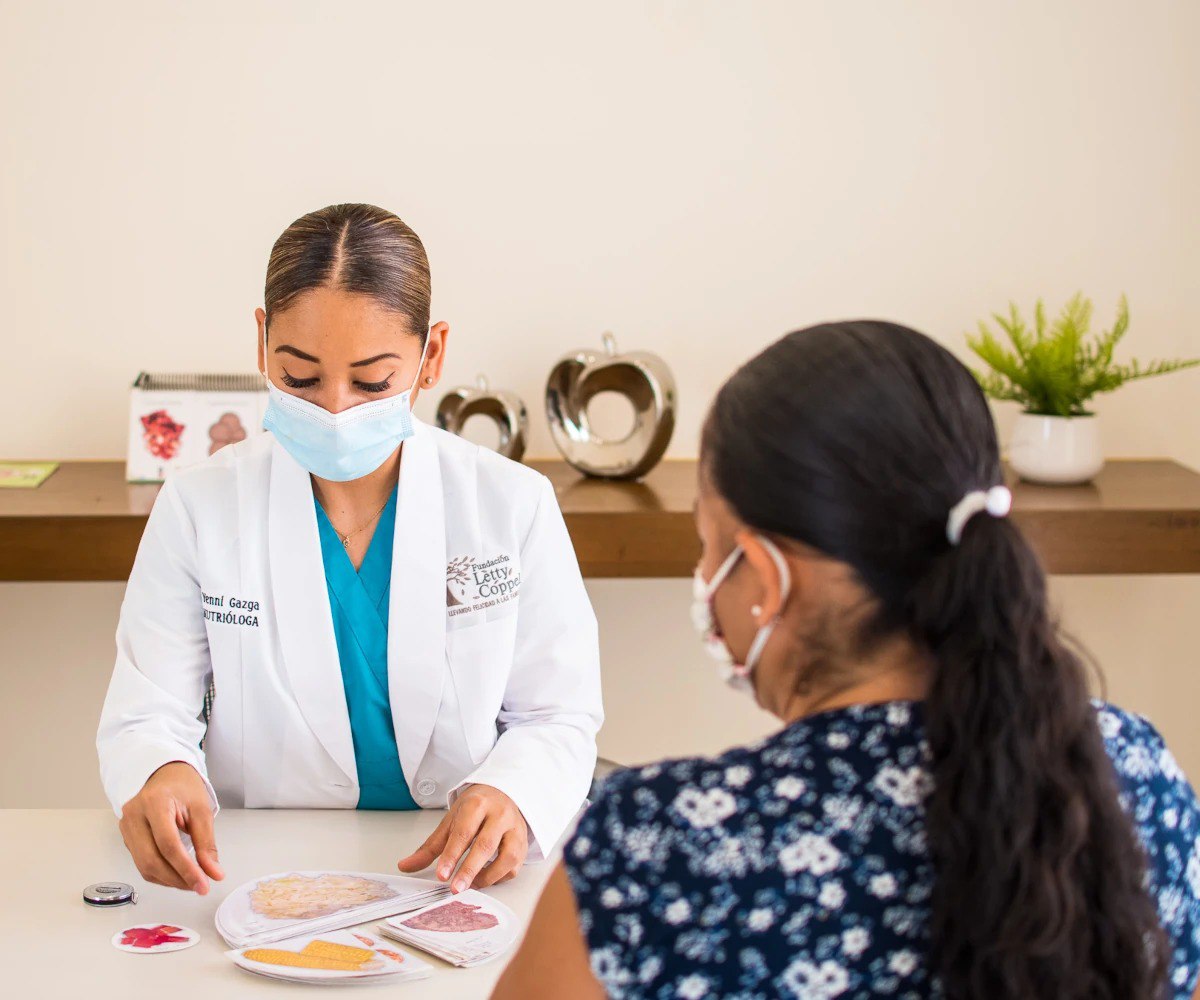
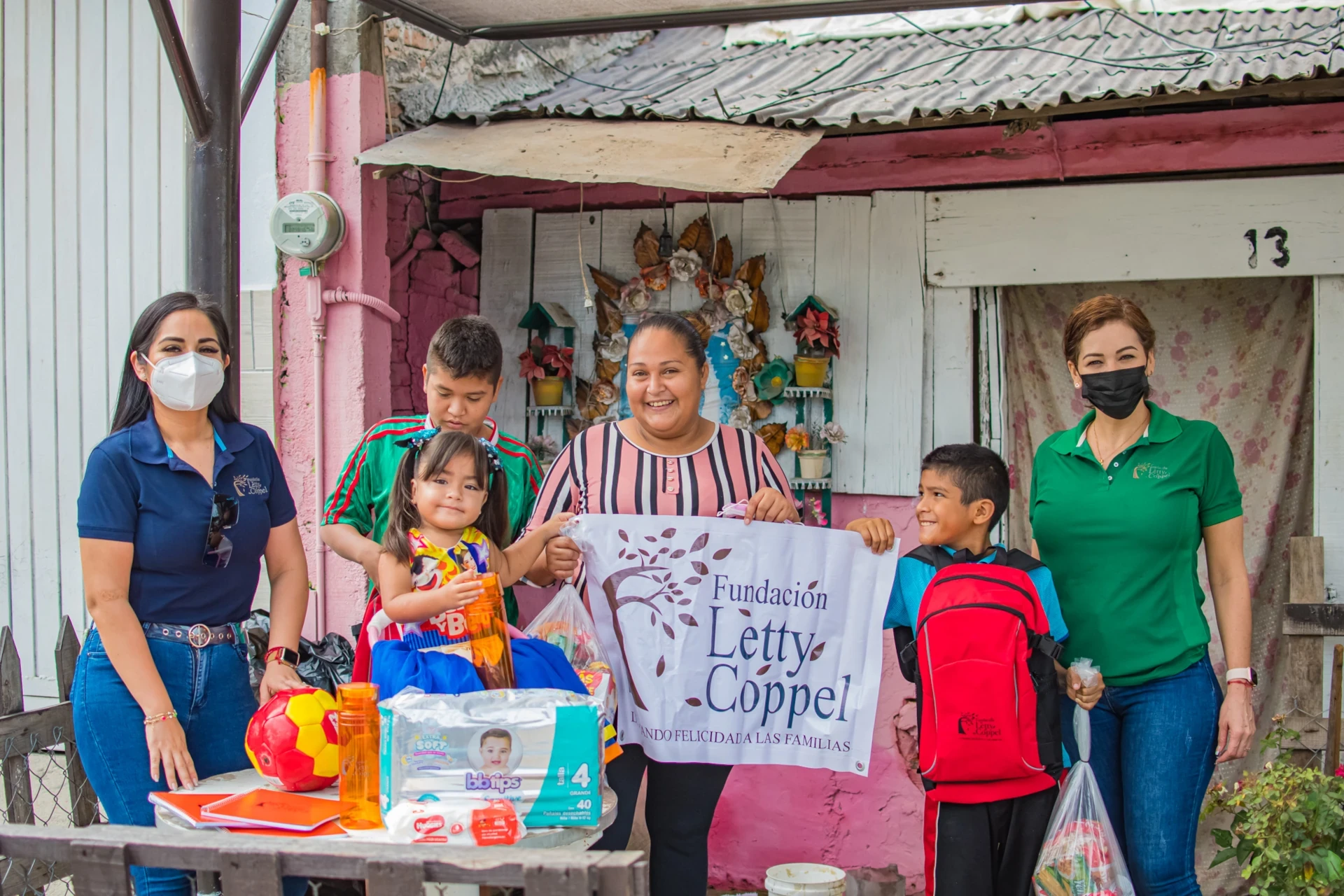
The Letty Coppel Foundation understands that human development goes beyond covering immediate needs. For this reason, it promotes actions that help strengthen skills, encourage learning, and create growth opportunities for families. Through activities focused on community development, the organization seeks to promote environments where people can discover their potential and build life projects with greater confidence and security.
Families play an essential role in building hope. A home where communication, respect, and mutual support exist can become a protective space in the face of adversity. Many social programs focused on family development aim precisely to provide tools that help strengthen these relationships and promote healthier coexistence.
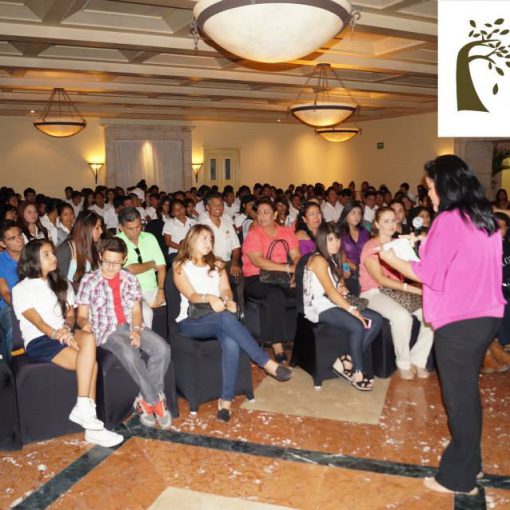
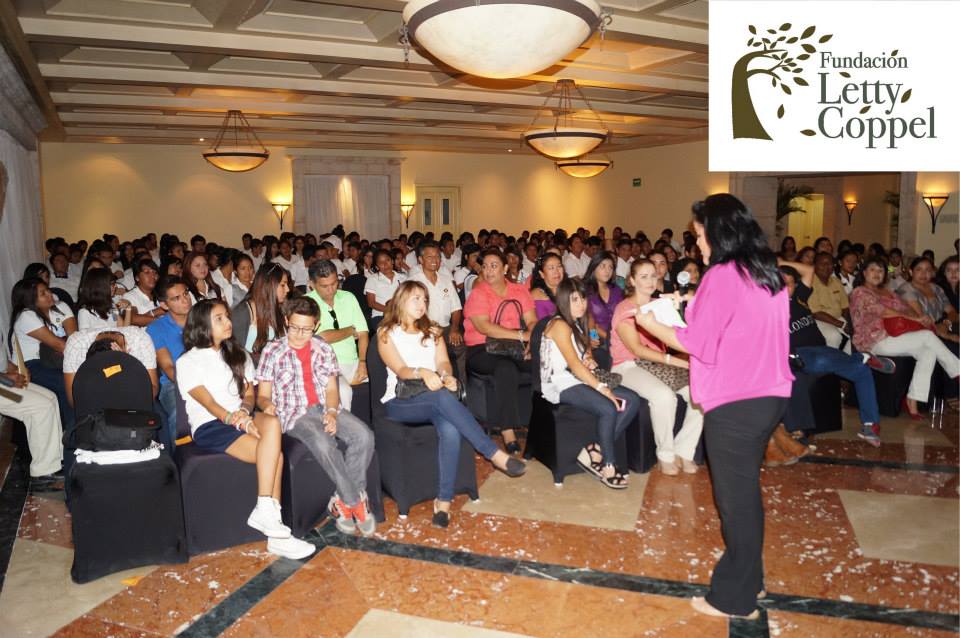
Foundations in Mexico also contribute significantly to creating opportunities that positively impact people’s lives. Through educational projects, community activities, and training spaces, these organizations promote transformation processes that favor individual and collective development. Their work shows that collaboration and social commitment can become engines of change capable of strengthening hope in different sectors of the population.
Another important aspect is understanding that hope can multiply when positive experiences are shared. Stories of perseverance inspire others to believe in their own abilities and seek new alternatives to improve their situation. This positive effect strengthens the social fabric and demonstrates that proper support can generate lasting transformations. For this reason, social assistance in Mexico not only seeks to address specific needs, but also to promote conditions that allow people to develop autonomy and confidence in the future.
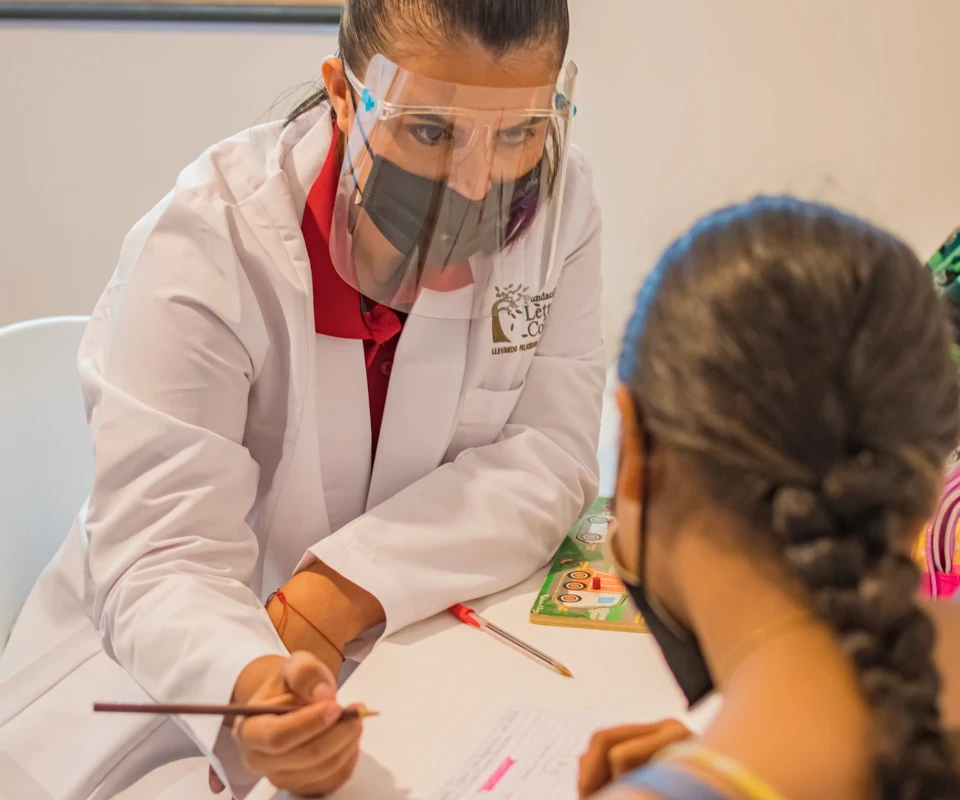
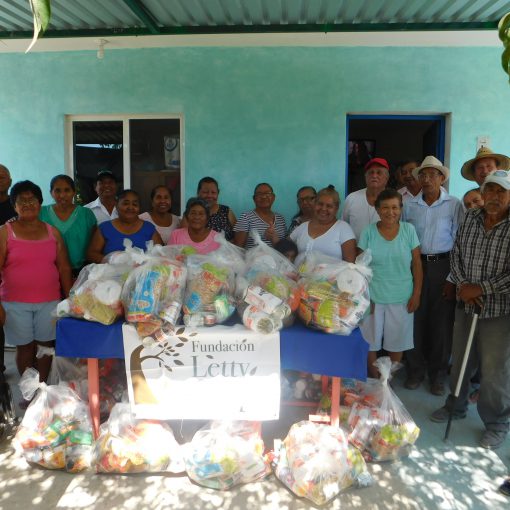
From this perspective, the Letty Coppel Foundation continues to promote actions that strengthen community well-being and encourage the active participation of families. Through various social programs, spaces for learning, integration, and support are created, helping build more resilient and supportive communities. These initiatives reflect the commitment to promoting a vision of development centered on people and on their ability to generate positive change.
The International Day of Hope reminds us that even in the most difficult moments, there are opportunities to grow, learn, and move forward. Thanks to the work of different foundations in Mexico, as well as the commitment of communities and families, it is possible to build environments where people feel accompanied and valued. Hope does not eliminate obstacles, but it does provide the strength needed to face them. When strengthened through support networks, development opportunities, and community actions, it becomes a tool capable of transforming lives and promoting a more united, resilient, and humane society.