Human diversity is expressed in many ways, and one of them is the way each person perceives, interprets, and experiences the world around them. World Autistic Pride Day, commemorated every June 18, arises precisely to recognize the value of neurodiversity and promote a society where people on the autism spectrum are fully accepted, respected, and included. This date seeks to change the conversation around autism, leaving stigmas and prejudices behind to make way for a vision based on empathy, dignity, and recognition of individual abilities.
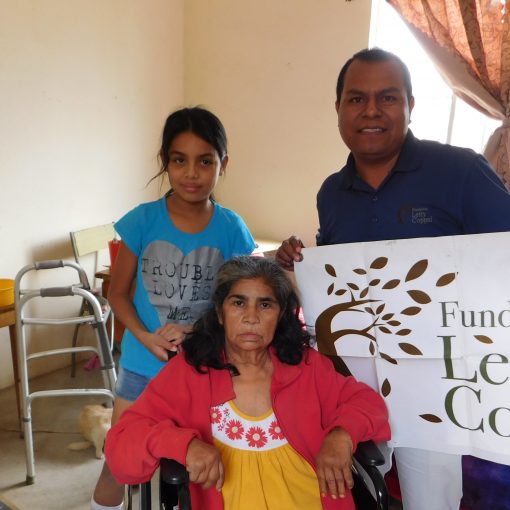
Understanding autism means recognizing that not all people communicate, learn, or socialize in the same way. Some people on the spectrum may have strong sensory sensitivity, highly developed specific interests, or different ways of expressing emotions. Far from representing an absolute limitation, these differences are part of human richness and must be understood with respect. In this sense, the Letty Coppel Foundation promotes actions focused on strengthening inclusion and human development, creating spaces where all people can feel valued and supported.
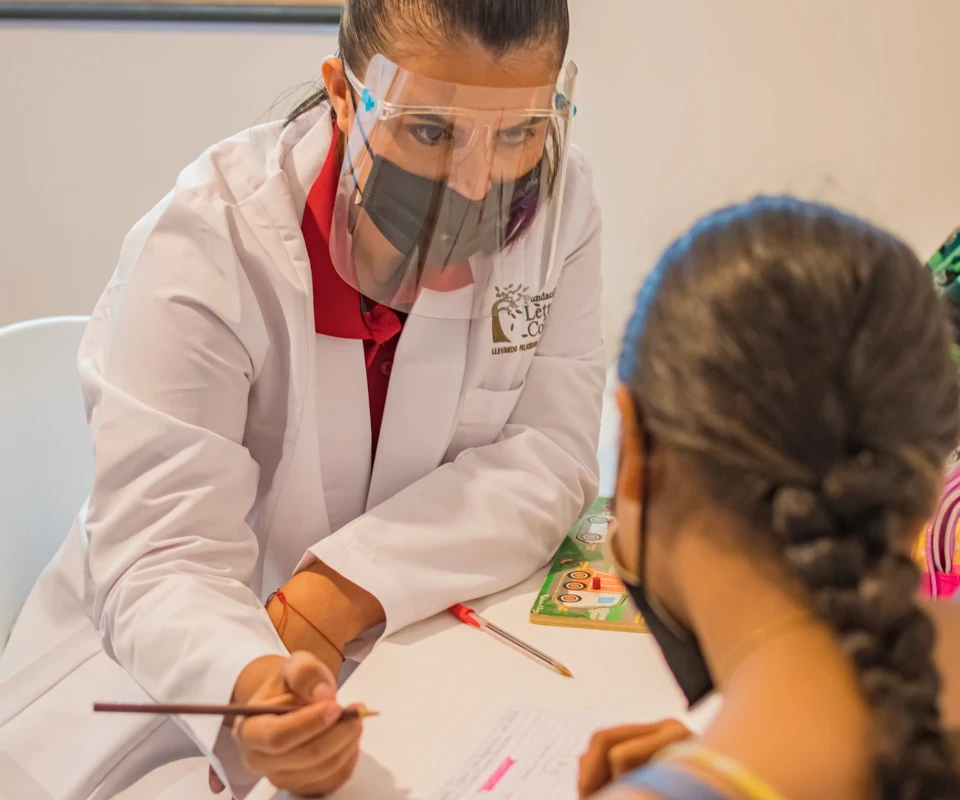
Real inclusion begins in the family environment. For many mothers, fathers, and caregivers, receiving guidance about autism can make a great difference in the way they support the growth and development of their children. Listening, observing, and respecting the emotional and sensory needs of children on the spectrum helps build stronger and safer bonds. Through different social programs, community organizations work to bring tools and resources closer to families so they can strengthen coexistence and generate more understanding environments.
Family support also involves learning to celebrate individual progress without comparing processes. Each person has different rhythms and ways of developing, and understanding this fosters more respectful and empathetic parenting. Creating clear routines, using positive communication, and encouraging safe spaces for expressing emotions are strategies that can contribute to the emotional well-being of people living on the autism spectrum. The Letty Coppel Foundation recognizes the importance of strengthening families through initiatives focused on integral well-being and the construction of more humane communities.
Within social assistance in Mexico, the inclusion of neurodivergent people continues to be an important challenge. Although progress has been made in awareness and education, many families still face barriers related to lack of information, limited access to specialized services, or social discrimination. Therefore, it is essential to promote community actions that drive a culture of respect and understanding toward neurodiversity.
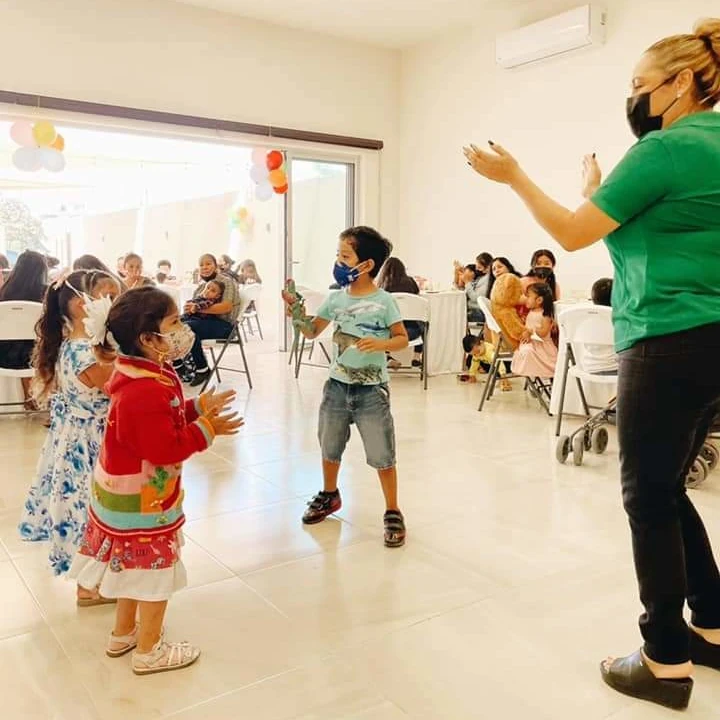
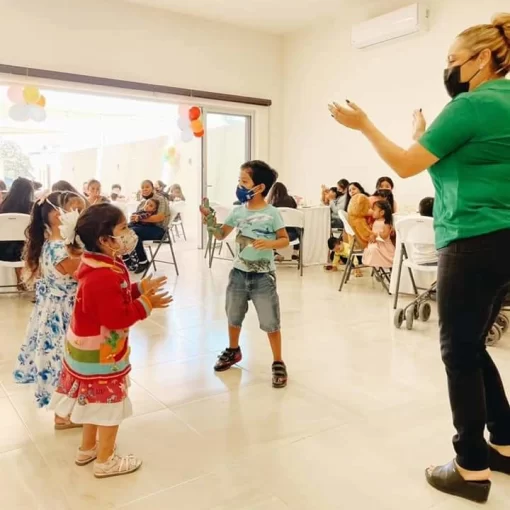
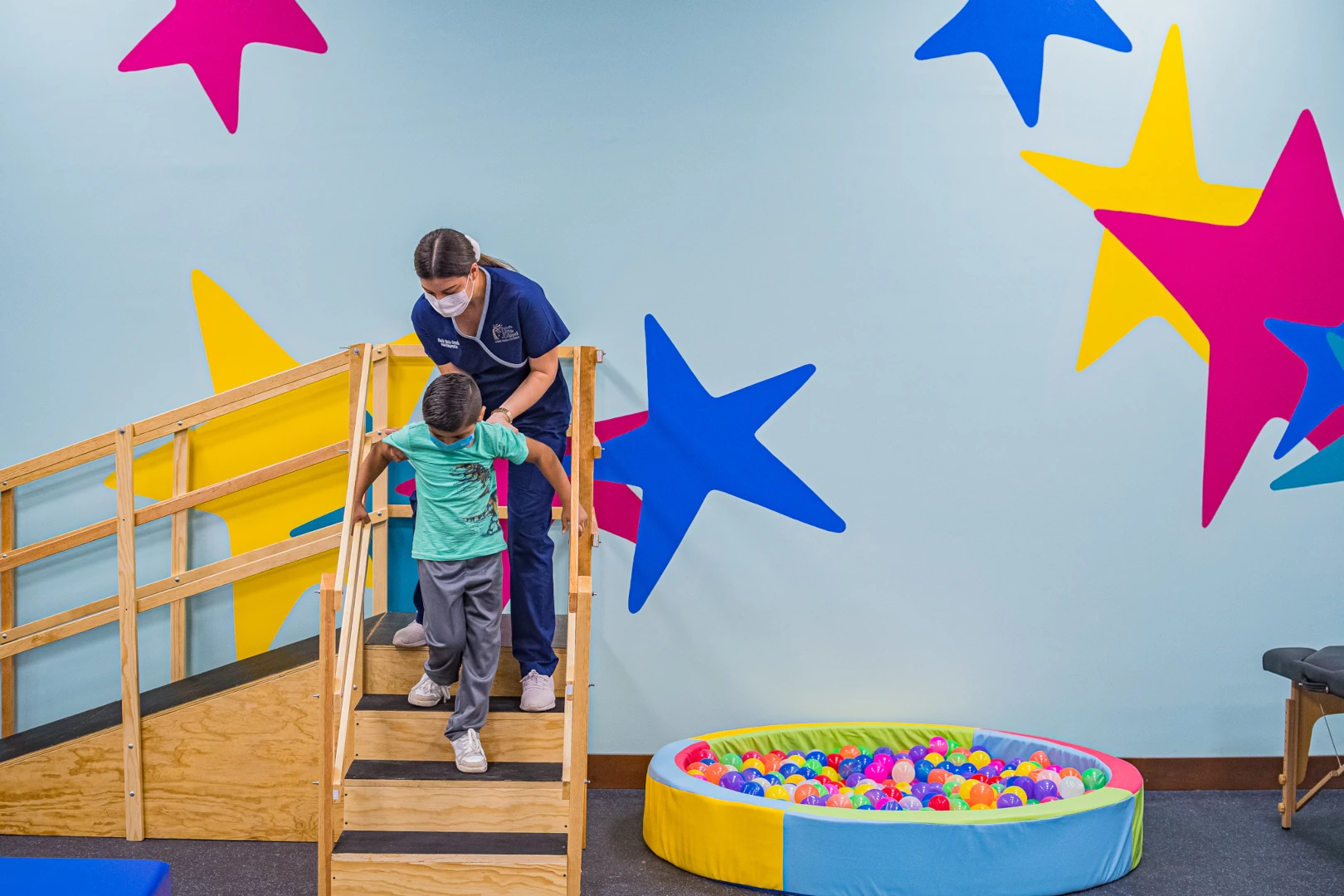
Schools, community centers, and recreational spaces play an essential role in the social integration of people on the autism spectrum. An inclusive environment not only adapts physical spaces, but also encourages empathetic attitudes and eliminates exclusionary practices. When teachers, classmates, and families work together with respect, positive experiences are generated that strengthen self-esteem and social participation. Social programs focused on community development contribute precisely to raising awareness and promoting more harmonious coexistence.
Talking about autistic pride also means recognizing the abilities and talents of people on the spectrum. Many people develop outstanding skills in creative, technological, artistic, or analytical areas. Strengthening these abilities from an early age helps reinforce autonomy and open opportunities for personal and professional development. In this sense, foundations in Mexico play an important role in creating inclusive spaces where each person can develop their talents without fear of being judged or limited by their differences.
Empathy is one of the most important elements for building inclusive communities. Listening without prejudice, respecting individual needs, and promoting coexistence based on acceptance are actions that can profoundly transform the social environment. The Letty Coppel Foundation promotes initiatives that foster these values, understanding that true inclusion is only possible when people feel safe, respected, and recognized within their community.
Another fundamental aspect is awareness from childhood. When children grow up understanding that differences are a natural part of life, it is easier to build relationships based on respect and solidarity. Explaining autism from a positive and human perspective helps eliminate prejudice and fosters a culture where everyone has the same opportunities for participation. Social assistance in Mexico can be significantly strengthened when communities adopt a more open and conscious vision of diversity.
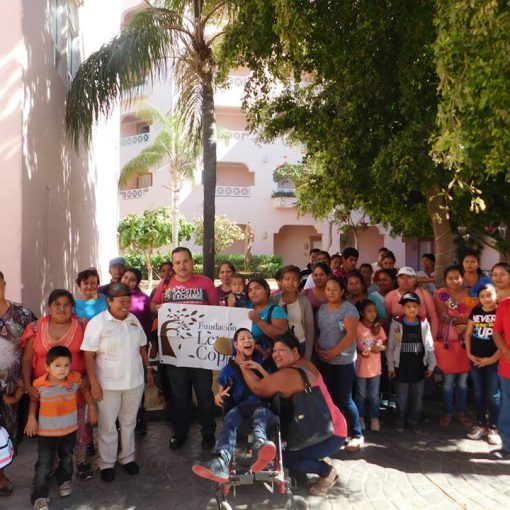
Foundations in Mexico that work on inclusion issues have shown that community support can generate positive and lasting changes. Through workshops, educational activities, and awareness campaigns, many organizations contribute to creating spaces where families can find guidance and emotional support. These actions strengthen the social fabric and help build more accessible and supportive communities.
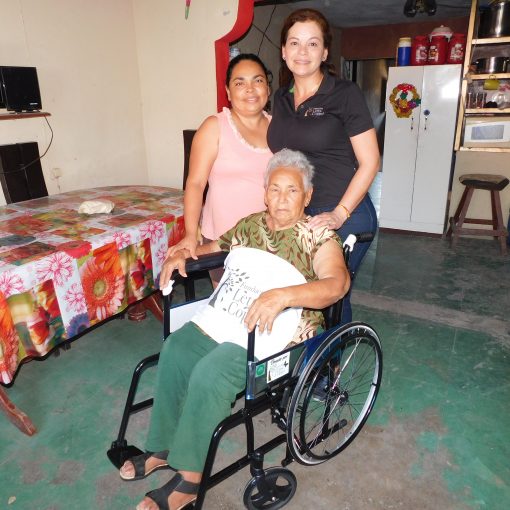
In this context, the Letty Coppel Foundation continues to promote initiatives focused on family well-being and social inclusion. Through different social programs, it seeks to strengthen emotional support and create spaces where diversity is recognized as a positive value for the community. These actions contribute to strengthening social assistance in Mexico, promoting more empathetic and accessible environments for all people.
World Autistic Pride Day represents an opportunity to reflect on the importance of accepting and valuing the different ways of experiencing the world. Building a more inclusive society requires collective commitment, empathy, and a willingness to learn from differences. Thanks to joint work among families, foundations in Mexico, and communities, it is possible to move toward an environment where all people can develop fully and live with dignity.
Recognizing neurodiversity does not only mean talking about inclusion, but acting to make it a reality in everyday life.