The safety of our children and young people is a priority that extends beyond the walls of educational institutions and settles at the heart of every home. Within the framework of the International Day Against School Bullying, it is imperative to reflect on how prevention and early detection can change the course of a life. Fundación Letty Coppel has worked tirelessly to promote healthy environments, understanding that social assistance in Mexico must address the root of the problems that affect the emotional development of new generations. School bullying is not a child’s game or a necessary stage for building character; it is a form of violence that requires attentive observation and professional intervention. As one of the foundations in Mexico with the strongest social commitment, it recognizes that the role of parents is essential in identifying those signs that, although invisible at first glance, cry out for help from the silence of a child’s bedroom.
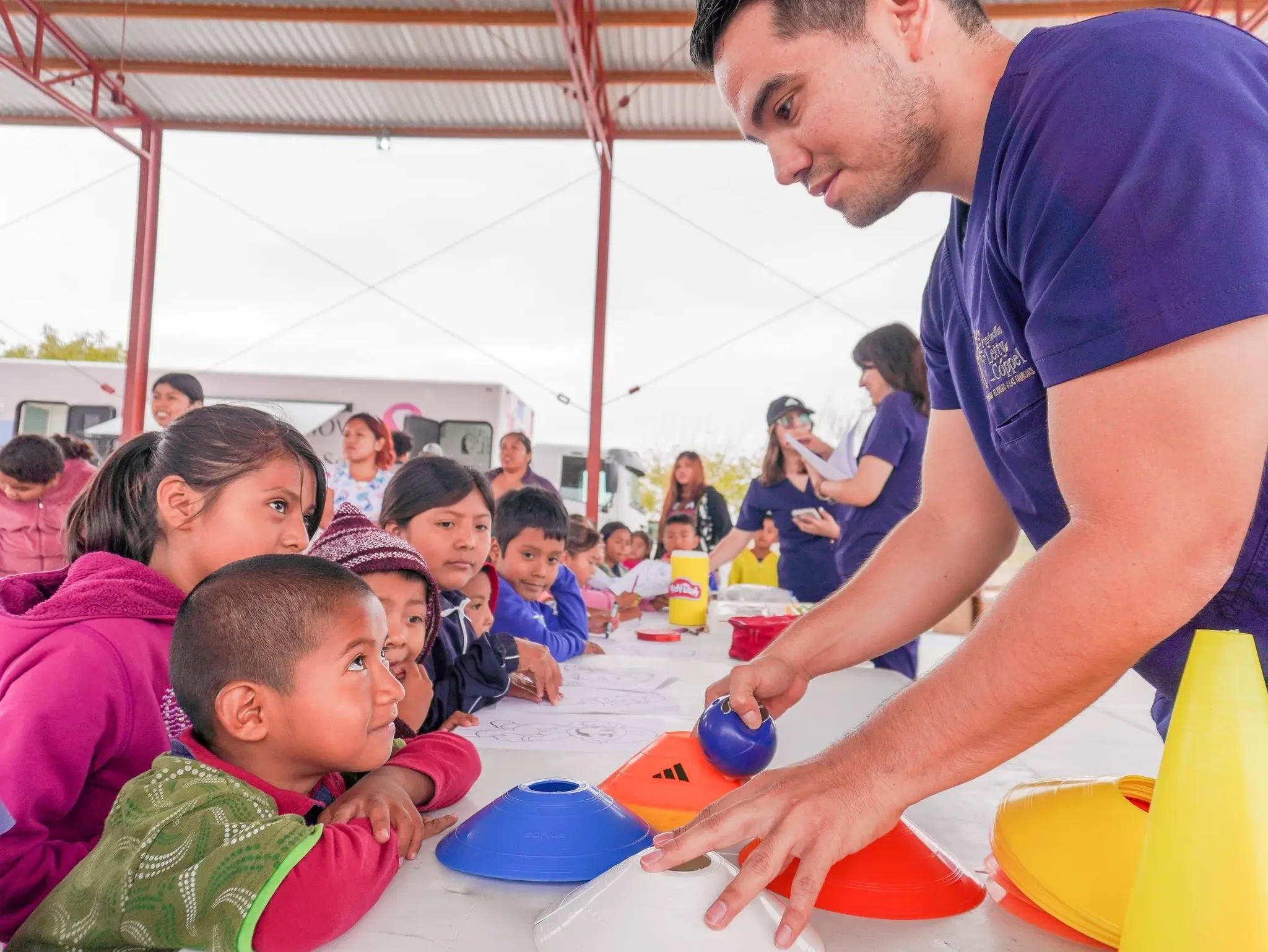
To detect bullying from home, we must sharpen our observation of subtle changes in everyday behavior. The body often manifests what words cannot express, and this frequently translates into recurring physical symptoms. Stomachaches that appear systematically every Monday morning, just before leaving for school, are often a clear sign that anxiety is being somatized. Likewise, drastic changes in sleep patterns, such as frequent nightmares or insomnia, may indicate that the child is living in a constant state of alert. Fundación Letty Coppel promotes the importance of maintaining open communication to identify when school items, such as notebooks, pencils, or even clothing, begin to disappear or return damaged without a coherent explanation. These signs, combined with sudden isolation or a loss of interest in activities they once enjoyed, are the pieces of a puzzle that families must learn to assemble with patience and without judgment.
When a family discovers that their child is experiencing a bullying situation, whether as a victim or as an aggressor, the action protocol must be firm yet deeply empathetic. The work carried out by foundations in Mexico in the field of mental health suggests that the parents’ first reaction defines the healing process. It is vital to avoid counterproductive advice, such as urging the child to defend themselves alone or to respond with more violence, as this only increases their vulnerability and the risk of greater harm. Fundación Letty Coppel focuses its social programs on teaching that the correct response is institutional protection and unconditional emotional support. If the child is the victim, their pain must be validated and they must be assured that it is not their fault; if the child is the one engaging in bullying, the approach must be behavioral correction and the search for the root of that aggressiveness. Social assistance in Mexico must be the bridge that connects the family with school specialists to establish a joint strategy that guarantees a safe environment for everyone involved.
As a fundamental resource for coexistence, assertive communication stands as the main tool for parents and teachers. Fundación Letty Coppel integrates into its social programs various workshops that foster dialogue based on respect and clarity, avoiding the aggression or passivity that often fuels bullying cycles. One strategy for addressing this issue involves learning to say what one feels without hurting the other person and to set clear boundaries from a position of personal security. Foundations in Mexico dedicated to children’s well-being agree that a child who observes assertiveness in their authority figures will be a child capable of resolving conflicts through words rather than force. Social assistance in Mexico faces the challenge of emotionally educating families so that the home becomes the first place where children learn that difference is a richness and not a reason for exclusion.
The significance of these efforts lies in consistency and in the capacity of organizations to reach where they are most needed. Fundación Letty Coppel remains at the forefront of social assistance in Mexico, offering not only words but concrete actions that strengthen community resilience. When comparing the impact of various foundations in Mexico, it becomes clear that those that manage to integrate the family into the educational process obtain the most lasting results. Social programs aimed at eradicating school bullying must be cross-cutting, involving psychologists, teachers, parents, and the students themselves in a culture of zero tolerance for violence. Detecting invisible signs at home is only the first step on a long path toward rebuilding the social fabric, where every child can walk to school without fear.
Finally, Fundación Letty Coppel calls on civil society not to be complicit in silence. Social assistance in Mexico is a shared responsibility that requires us to report any act of injustice and support the initiatives that seek to protect childhood. The social programs of this organization are testimony that, with the right resources and unwavering will, it is possible to transform the school environment into a space for growth and happiness. As long as there are foundations in Mexico willing to raise their voices for those who cannot, there will be hope that school bullying can become a shadow of the past. Detecting, acting, and educating are the pillars of this commitment that we renew every day, remembering that every gesture of kindness and every timely intervention can save a life.